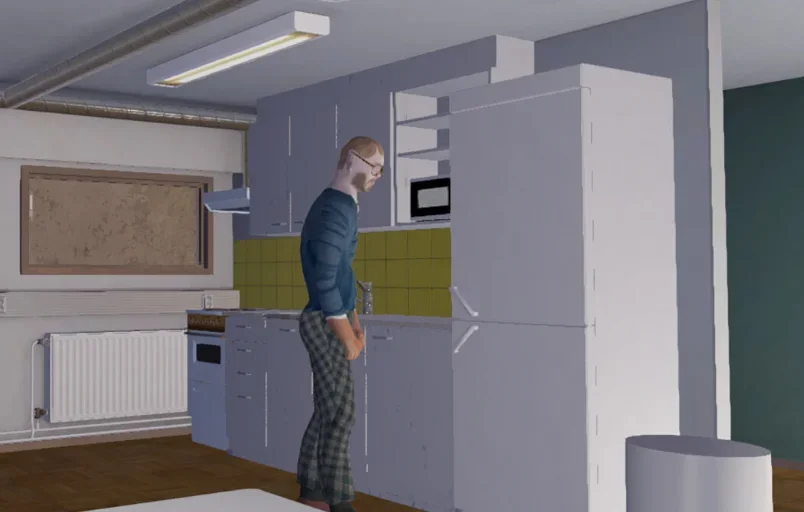
Fatigue stands as one of the trickiest systems in My Winter Car. This mechanic controls when you can rest and dictates how long you’ll remain functional before exhaustion forces an intervention. Push your fatigue too far, and you’ll face an endless cycle of rejected sleep attempts followed by sudden blackouts.
This guide reveals the inner workings of My Winter Car’s fatigue system and shows you the exact steps needed to stay in control from day one.
Key Takeaways:
 My Winter Car Phone Guide: All Numbers, Locations & How to Call (2026)
- Fatigue accumulates through every activity: staying conscious, performing tasks, operating vehicles, and general movement
- Only sleep provides complete fatigue recovery; stimulants like energy drinks and coffee deliver short-term fixes
- Sleep requires meeting two simultaneous conditions: adequate fatigue levels and proper room warmth
- Freezing rooms prevent all sleep attempts; radiators demand sufficient time to generate heat before rest becomes viable
- Your alarm clock functions exclusively when fatigue reaches the minimum threshold for sleep
- Excessive fatigue triggers blackouts that prove deadly during vehicle operation
- Strategic rest scheduling and proactive room heating eliminate most fatigue complications
Table of Contents
How Fatigue Works
Fatigue accumulates continuously throughout your time in My Winter Car. Each moment spent conscious adds to your exhaustion meter. Physical work, cross-country drives, and basic movement through your living space all accelerate the fatigue buildup.
Two methods exist for reducing fatigue: genuine rest or consumption of caffeinated items. Energy drinks and coffee provide brief respite but fail as long-term solutions.
My Winter Car distinguishes itself from standard survival titles through its conditional sleep system. The game evaluates multiple factors before permitting rest. When your bed interaction yields no sleep prompt, at least one requirement remains unmet.
 Every Mewgenics Boss Ranked — and How to Actually Beat Them
 How To Sleep Successfully
Initiating sleep demands holding F near any bed. The game accepts this command only when all necessary conditions align.
Sleep requires these elements:
- Fatigue reaching the minimum activation level
- Body temperature maintaining stability without decline
- Adequately heated room with functioning radiators
- Character experiencing no active freezing status
Partial fulfillment achieves nothing. Every requirement must be satisfied simultaneously. Even maximum fatigue fails to trigger sleep when your heating system sits idle or operates below adequate levels.
Players frequently assume high exhaustion guarantees sleep access. This assumption proves false. Environmental conditions carry equal weight with your exhaustion state.
 Nioh 3 Platinum Guide: All 51 Trophies Explained (Platinum Roadmap)
 Why You Cannot Sleep
Sleep denial represents the most prevalent obstacle for new My Winter Car players. Countless reports describe situations where maximum fatigue meets a completely unresponsive bed.
Insufficient room temperature causes most sleep failures. When bedroom warmth drops below the minimum threshold, the game implements a total sleep block. This reflects intentional survival design rather than technical malfunction. Resting in subzero conditions would result in death, so the system prevents the attempt entirely.
My Winter Car radiators require actual time to generate room warmth. Activating them provides no immediate temperature change. Maximizing radiator output then immediately approaching your bed produces zero results. Heat accumulation in the space must occur first.
Your fatigue must also surpass a specific baseline before sleep becomes accessible. Mild tiredness remains insufficient. The system demands genuine exhaustion levels before granting rest permission.
 Mewgenics Retired Cats Guide: Get Every Drop of Value
 How To Reduce Fatigue Faster
Sleep delivers unmatched fatigue reduction in My Winter Car. Extended rest periods outperform brief naps significantly, making proper sleep sessions far superior to rushed recovery attempts.
Energy drinks create temporary fatigue drops and serve as emergency measures when finishing critical tasks or reaching home before collapse. These function as crisis tools rather than sleep alternatives. Complete dependence on stimulants guarantees problems once supplies run dry.
Coffee produces similar effects with diminished potency compared to energy drinks. Caffeine slows fatigue accumulation temporarily without reversing serious exhaustion. Deploy coffee for work session extensions, never as sleep substitutes.
Optimal strategy involves building daily schedules around rest requirements. Handle intensive work during early hours, return home before nightfall, activate heating well ahead of rest time, and sleep before exhaustion reaches critical levels.
 My Winter Car Guide: Complete Beginner’s Guide to Surviving Finnish Winter
 Alarm Clock and Fatigue
My Winter Car’s alarm clock operates exclusively when your fatigue level permits initial sleep activation.
Proper usage requires setting your target wake time first, activating the alarm, then entering bed. When fatigue decreases below the minimum threshold during sleep, the alarm triggers at your designated time.
Extreme fatigue levels override alarm settings, forcing premature awakening regardless of your schedule. The clock cannot supersede severe exhaustion. Your character awakens automatically once sufficient fatigue clears, potentially occurring before your alarm activates.
This makes the alarm clock most effective for scheduling wake times during standard rest periods rather than controlling sleep duration when experiencing complete exhaustion.
 Stop Building Like A Noob: Advanced Tactics To Break ‘Alchemy Factory’
 Common Fatigue Mistakes
Players repeatedly commit identical errors regarding My Winter Car fatigue management:
- Attempting rest in completely unheated structures
- Activating radiators and immediately pursuing sleep without heat accumulation time
- Viewing energy drinks as sleep replacements instead of emergency resources
- Overlooking the direct connection between body temperature and sleep availability
- Maintaining continuous work and driving schedules without designated rest intervals
The game demands fatigue planning. Finland’s harsh winter shows no concern for your objectives or task completion proximity. Neglecting rest requirements guarantees stalled advancement and squandered time.
 Where Winds Meet Qinghe Cat Guide: Where To Find Every Furry Jerk And Magic Feline
 Final Blurb
My Winter Car’s fatigue system operates on consistent logic, not random chance or broken mechanics. The design embraces strictness intentionally. Your responsibility involves respecting the survival framework: activate heating before necessity arises, allow time for warmth generation, and attempt sleep only when fatigue genuinely reaches adequate levels.
Understanding these principles makes fatigue entirely predictable. You’ll recognize precise moments when rest becomes available, know environmental preparation requirements, and understand solutions when sleep activation fails. Abandon resistance to the system and embrace cooperation instead.
 EU5 Markets Guide: Stop Bleeding Ducats
 FAQs About My Winter Car fatigue
What happens if fatigue stays high?
Sleep becomes impossible, followed by eventual blackouts that completely stop progression. Sustained high fatigue also creates spontaneous unconsciousness during critical moments, including vehicle operation.
Can I sleep anytime I want?
Negative. My Winter Car demands both adequate fatigue levels and sufficient room temperature before enabling sleep. Failing either condition results in rest denial.
Do energy drinks replace sleep?
Absolutely not. Energy drinks create temporary fatigue reduction only. They serve emergency purposes but cannot function as sleep substitutes. Fatigue resumes climbing after effects expire.
Why does my bed do nothing?
Your room sits too cold or your fatigue hasn’t crossed the required activation threshold. Verify radiator settings and allow space heating before additional attempts.
Does the alarm clock ignore fatigue?
No. Adequate tiredness must exist before sleep initiation, which the alarm clock requires for operation. It governs wake timing, not sleep activation.
 My Winter Car Corris Rivett Guide: How To Build A Car While Losing Your Mind?