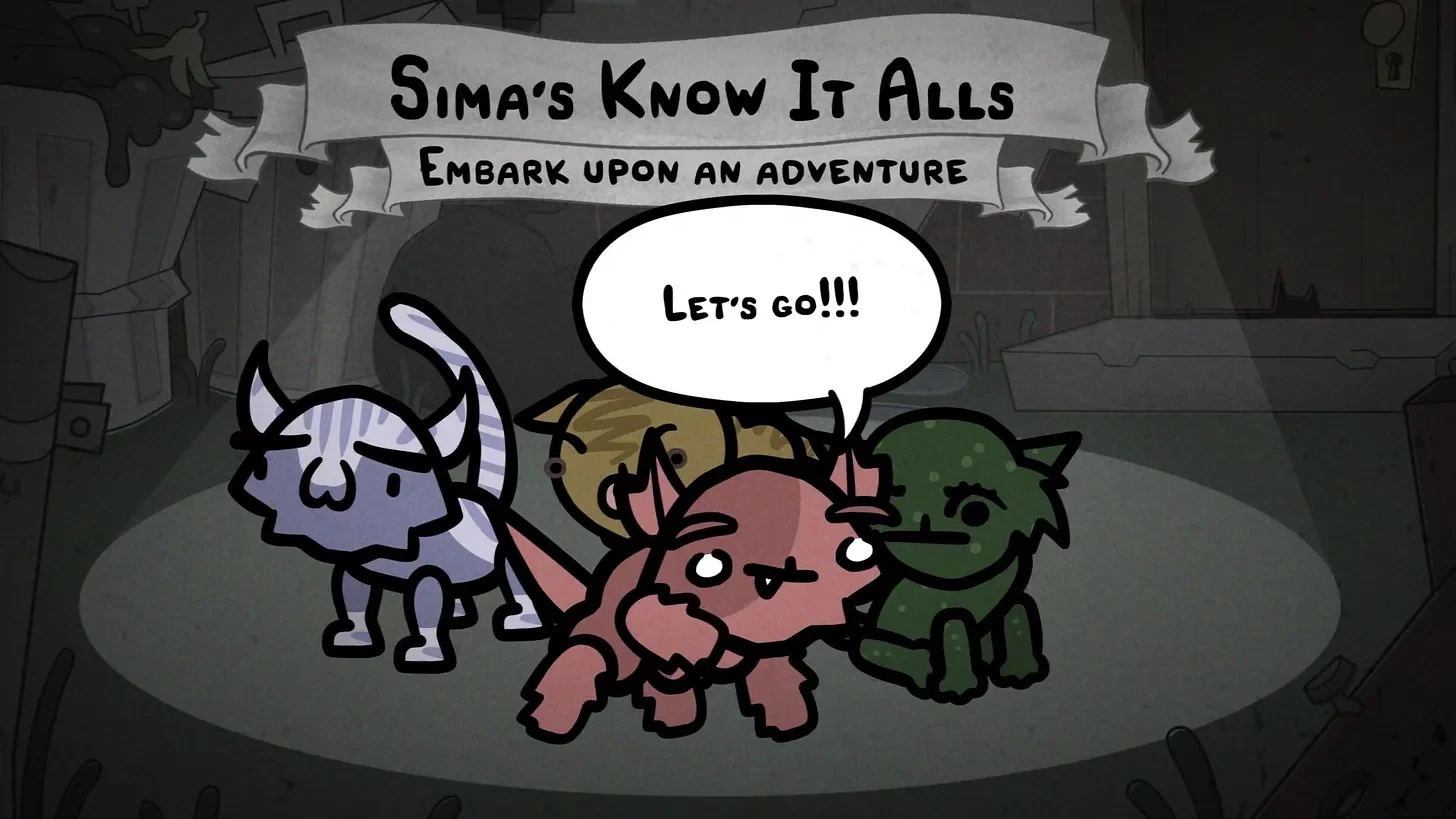
Surviving a Mewgenics run feels like beating the odds. But the moment your battered squad limps home and earns that little crown icon, a new problem starts quietly stacking up: a house full of retired cats who eat your food, hog your floor space, and contribute nothing obvious. It’s tempting to purge the lot of them. That instinct will cost you badly.
These veterans are the backbone of your late-game power. Knowing how to use them — for breeding, NPC donations, and home defense — is what separates a colony that collapses around Act Two from one that snowballs into something genuinely unstoppable. Here’s how to squeeze every last point of value out of your retired roster.
Table of Contents
Building a Dominant Bloodline Through Breeding
The single most important job any retired cat has is making more cats — ideally better, weirder, stronger ones. Mewgenics is a genetics simulation at its core, and your retired survivors are walking proof of concept: they made it through a gauntlet that killed everything else.
Stats, Traits, and Furniture That Actually Matters
Retired cats carry the highest base stats in your colony by default, because survival filtered out the weak ones for you. Pair two strong veterans in the same room and their offspring will regularly inherit those elevated stats, along with whatever bizarre abilities the parents picked up along the way.
Don’t scatter your breeders around the house. Designate a dedicated breeding room and keep your top specimens there permanently. The furniture you place in that room directly influences offspring quality — it can buff elemental affinities, push specific stat thresholds, and improve trait inheritance odds. Forget aesthetics. This isn’t interior design; it’s a mutation factory. Every furniture slot in your breeding room should be pulling weight toward the stats you actually want in the next generation.
NPC Donations: Who Gets What and Why
Your house has a hard capacity limit. Once your core breeding pairs are locked in, surplus cats need to go somewhere useful. Donating to the right NPC at the right time is how you unlock permanent upgrades — extra rooms, better inventory, quality furniture, and more.
The catch is that every NPC has specific requirements. Dumping cats randomly wastes them. Here’s a breakdown of every donation target and what they actually offer:
| NPC | Cat Requirement | Reward | Priority |
|---|---|---|---|
| Baby Jack | Injured cats | Breeding furniture | ⭐ Highest |
| Frank | Any retired cat | New house rooms | High |
| Butch | Biome-specific cats | Inventory upgrades | Medium |
| Tracy | Cats age 5 or older | Blank collars + food storage | Medium |
| Dr. Beanies | Mutated cats | Side quest items (with negative modifiers) | Last resort |
 MineMogul Beginner’s Guide: How To Go From Pickaxe Peasant To Industrial Tycoon
 My Personal Donation Priority
Baby Jack first, always. High-quality breeding furniture is the fastest way to tilt the RNG in your favor, and getting it early turns your breeding program into a machine. Once my breeding rooms are properly equipped, I shift focus to Frank for house expansions — more rooms mean more cats, more options, more redundancy.
Butch is worth tracking passively. Keep a mental note of which biomes your cats have visited, and ship him exactly what he needs to unlock the next inventory slot. More carry capacity is never wasted.
Dr. Beanies is genuinely the last resort. His rewards come loaded with negative modifiers that require active cleansing, which creates more work than the items are usually worth. I only send him cats I actively want removed from the gene pool — the ones with parasites or traits I don’t want contaminating future litters.
Managing your resource flow across multiple systems like this is a skill that shows up in a lot of deep games. If you enjoy juggling economies and long-term planning, the systems in Starsand Island’s pet collection and resource loop scratch a similar itch.
Act Two Home Defense: Your Retired Cats Become Soldiers
Retirement stops being passive the moment Act Two unlocks. Your house becomes a target. Home invaders — ridiculous, over-powered boss types like Guillotina and Pyrophina — will come knocking with one week’s notice. Your active adventuring cats cannot defend the house. Only retired cats can fight.
The Siege System
This mechanic fundamentally reframes how you value every cat on your roster. You can no longer donate everything you’re not actively breeding. You need a standing defense force made up of capable retired fighters, ready to hold the line when a boss shows up.
When the one-week warning triggers, spend that time breeding replacement kittens as insurance. These fights are high-stakes tactical puzzles with brutal consequences — if your defense fails, every retired cat who participated in it dies permanently. Losing your top breeders in a botched defense is a setback that can cripple a run. Don’t throw your best cats at a fight you’re not confident about winning.
For players who enjoy high-stakes tactical encounters with serious consequences, the kind of careful build preparation covered in guides like this Nioh 3 trophy and achievement breakdown reflects a similar mindset — know the systems deeply before committing.
Super Retirement: The Final Stage
Win a home defense, and your surviving cats earn a new status: Super Retired. This designation permanently bars them from any future combat — including future house sieges. From that point forward, they can only breed or be donated to NPCs.
This creates a constant pressure on your roster. You can’t rely on the same four powerhouses to defend your house indefinitely. Every home defense cycles cats out of your combat pool and into your breeding program. That means you need a steady pipeline of new adventurers retiring into your colony, ready to serve one tour of defensive duty before moving into permanent stud or brood status.
| Status | Combat Eligible | Breeding Eligible | Donable |
|---|---|---|---|
| Active | ✅ | ❌ | ❌ |
| Retired | ❌ | ✅ | ✅ |
| Siege Veteran | ❌ | ✅ | ✅ |
| Super Retired | ❌ | ✅ | ✅ |
 Arc Raiders Augments: The Only Thing Keeping You From Being Loot
 It’s a grotesque, self-sustaining cycle — and it’s the entire point of the game. Manage the bloodlines carefully, keep your defense roster deep enough to absorb losses, and treat every cat as a piece of a larger genetic machine rather than an individual unit. The colonies that fall apart in Act Two are the ones that treated retired cats as dead weight. The ones that thrive are built entirely on their backs.