Xbox parent company reportedly shifting to Unreal Engine for strategy games while a third-person StarCraft project may finally resurrect a decades-old promise
Microsoft appears ready to transform its approach to real-time strategy development. Recent reports suggest the company is abandoning problematic proprietary technology in favor of industry-standard tools while simultaneously exploring projects that strategy fans have dreamed about for nearly two decades.
The information comes from Jez Corden on the Xbox Two podcast, a source with established credibility regarding Microsoft’s gaming initiatives. If accurate, these developments signal that someone at Redmond finally recognizes the untapped potential sitting within their acquired intellectual property catalog.
Strategy enthusiasts have endured years of mobile cash-grabs and franchise neglect while publishers chased trending genres. Microsoft positioning itself as a serious RTS contender represents exactly the kind of institutional commitment the genre requires to thrive again.
 Spyro 4 Leaked? Toys For Bob Dev’s Resume Just Spilled The Beans
 Table of Contents
Age of Empires Development Moving to Unreal Engine
Relic Entertainment’s proprietary Essence Engine powered Age of Empires IV to visual success but apparently created significant development friction behind the scenes. That technical relationship appears to be ending.
Why Abandoning Proprietary Technology Makes Sense
According to Corden’s reporting, World’s Edge is constructing foundational systems for a new Age of Empires installment using Unreal Engine. The decision reflects hard-learned lessons about proprietary tool dependency.
Custom engines create institutional knowledge problems. When key technical staff depart, their expertise leaves with them. Unique toolchains require specialized training that shrinks available talent pools. Bug fixes and feature implementations take longer when developers must work around idiosyncratic systems rather than leveraging industry-wide documentation and community support.
Unreal Engine eliminates most of these friction points. Experienced developers can onboard faster. Technical problems have existing solutions. The engine’s widespread adoption means continuous improvement from Epic’s resources rather than relying solely on internal engineering bandwidth.
For a franchise that has relied heavily on remastered releases, this infrastructure investment could finally enable the development velocity that new mainline entries require.
 The GTA 6 Plot Leak That Got Someone Fired Is Wild
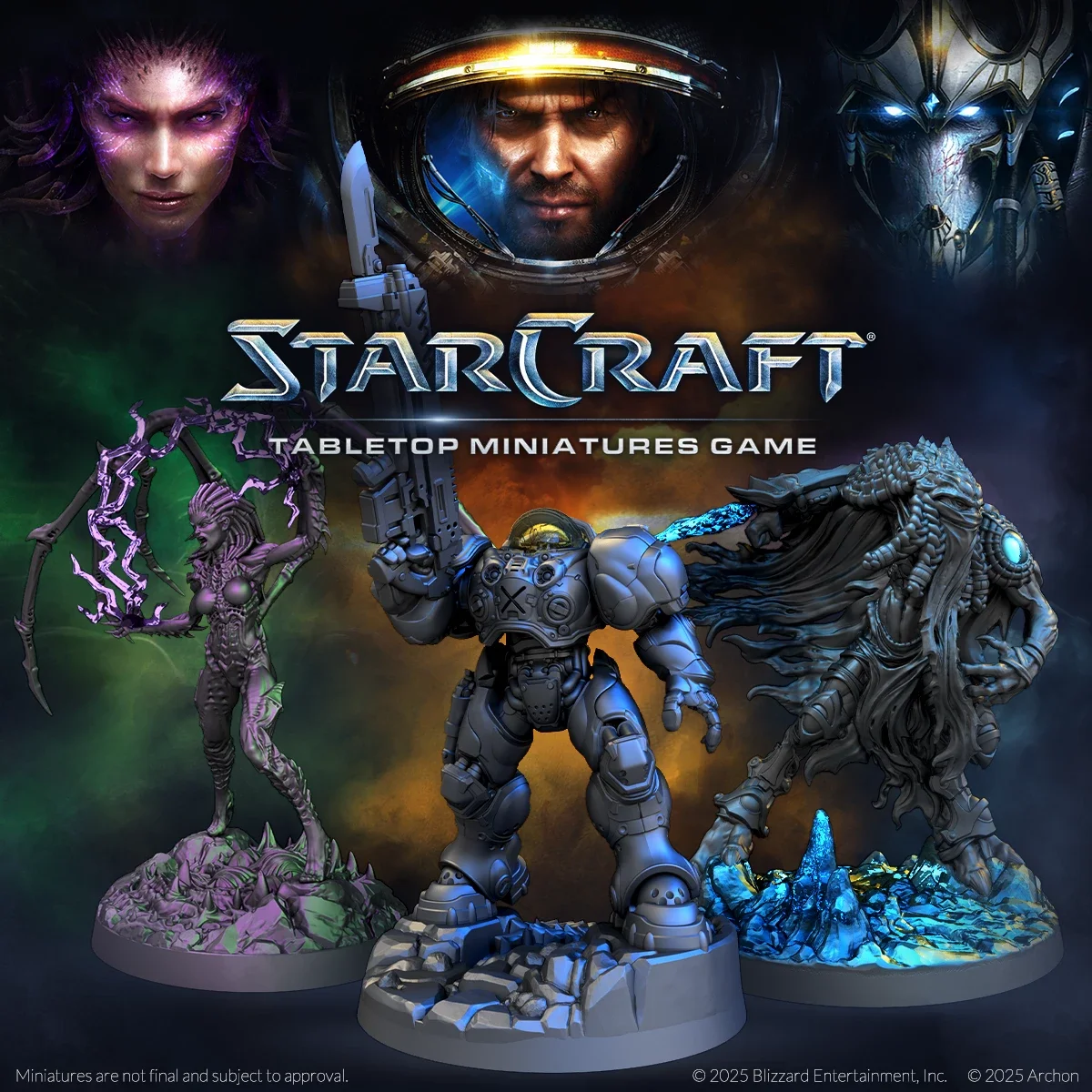
 StarCraft Third-Person Shooter Reportedly in Development
Players who remember the cancellation of StarCraft: Ghost in 2006 have waited nearly twenty years for someone to revisit that concept. The wait may be ending.
What We Know About the Project
Corden claims to have viewed actual gameplay footage from a StarCraft third-person shooter currently in development. His description compared the experience to Space Marine—Warhammer 40,000’s acclaimed action franchise known for weighty combat and visceral presentation.
The StarCraft universe contains narrative and aesthetic potential that top-down perspectives inherently limit. Experiencing a Zerg swarm from ground level, feeling the scale of Protoss technology, understanding viscerally why Terran Marines require powered armor—these possibilities have remained unexplored in any official capacity since Ghost’s cancellation.
If developers can capture Space Marine’s tactile combat weight while applying modern production values, the result could finally deliver on promises made two decades ago.
 Rumor: Microsoft Is Apparently Teaching Bethesda How To Use Modern Tech
 Microsoft’s Broader Strategy Gaming Ambitions
Individual project rumors matter less than the apparent strategic direction they reveal. Microsoft seems intent on dominating strategy gaming while competitors focus elsewhere.
Consolidating Genre Leadership
Beyond the shooter project, reports indicate a traditional StarCraft RTS also remains under consideration. Combined with continued Age of Empires development, Microsoft would control two of the most beloved strategy franchises in gaming history under unified corporate direction.
This consolidation positions Xbox Game Pass as the definitive destination for strategy enthusiasts. PC gaming audiences—historically the strategy genre’s core demographic—gain compelling reasons to subscribe. The loyalty that strategy fans demonstrate toward beloved franchises translates directly into long-term subscription retention.
After years watching RTS games receive minimal publisher attention, this aggressive investment represents validation that the genre maintains commercial viability. Microsoft betting significant resources on strategy gaming benefits everyone who wants these experiences to continue existing.
The execution remains uncertain. Rumors and podcast discussions don’t guarantee shipped products. But the directional signal alone—Microsoft treating strategy games as priority investments rather than legacy obligations—offers genuine reason for optimism.
What would you want from a new StarCraft shooter? Share your thoughts in the comments below.
 Rumor: GTA 6 Online Might Be An MMORPG, And Honestly, It Explains Everything