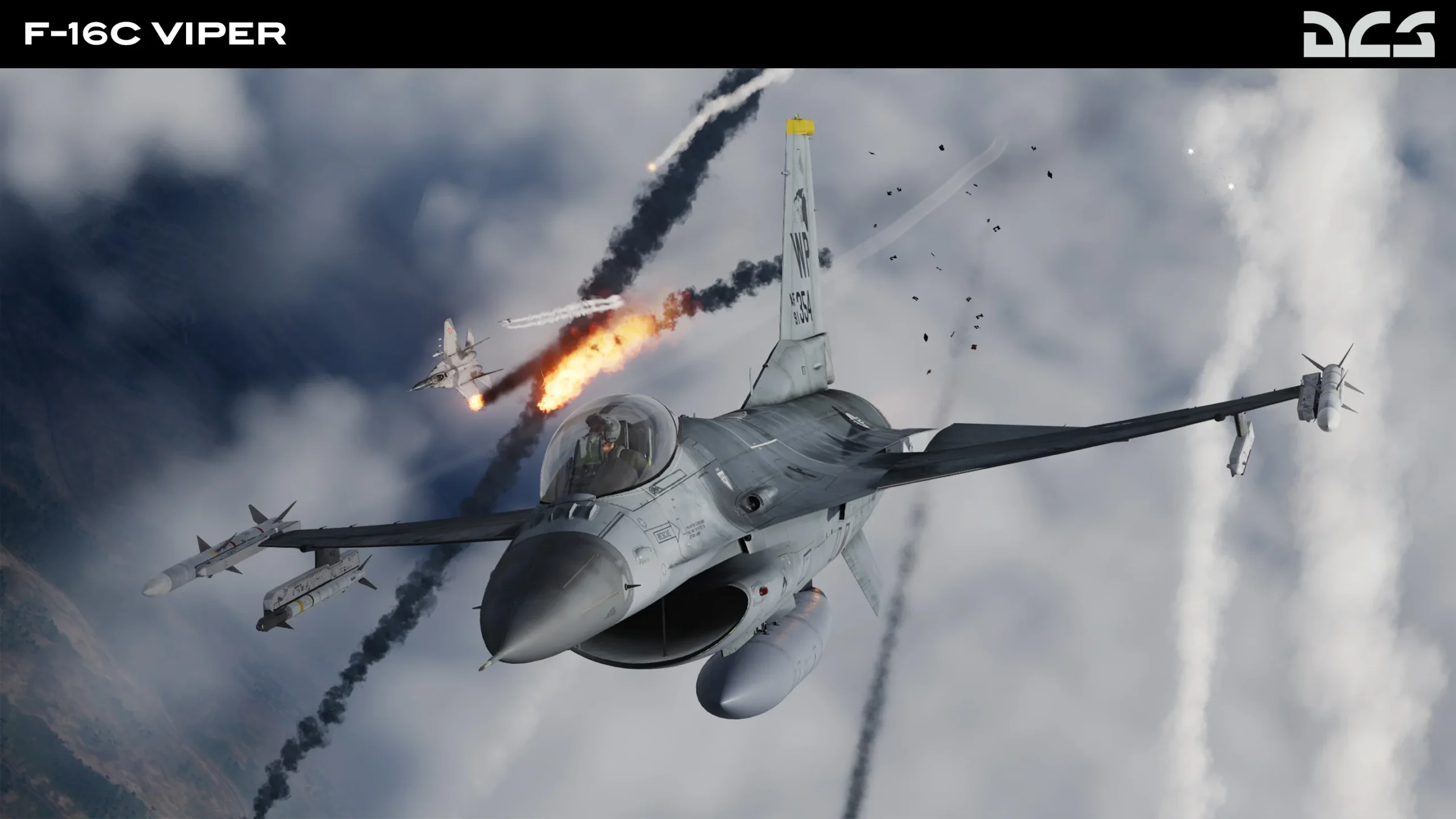
Eagle Dynamics’ engine overhaul threatens to ground beloved RAZBAM modules permanently, and paying customers have zero recourse
Digital Combat Simulator’s long-anticipated Vulkan API transition was supposed to represent everything right about dedicated simulation development. Better performance, improved weather systems, enhanced communications—the kind of technical leap that justifies years of patient waiting from one of gaming’s most demanding communities.
Instead, the DCS 2026 roadmap has transformed into a countdown clock for module extinction, courtesy of a corporate dispute that’s about to cost loyal players hundreds of dollars in digital aircraft they can no longer fly.
 The Gaming Industry Is Making $197 Billion In 2025, And It Is All Coming Out Of Your Pocket
 Table of Contents
The RAZBAM Situation Explained
The conflict between Eagle Dynamics and third-party developer RAZBAM Simulations has been simmering for months. What started as behind-the-scenes tension over payment disputes has now erupted into a full-scale development freeze with catastrophic implications for anyone who invested in RAZBAM’s aircraft.
Why Engine Transitions Require Developer Cooperation
Moving a complex simulation to a new rendering API like Vulkan isn’t comparable to updating graphics drivers. Every aircraft module contains intricate systems, custom code, and specific optimizations that need active developer involvement to function properly in the new environment.
According to RAZBAM CEO Ron Zambrano’s statements on Discord, that cooperation isn’t happening. Without source code handover or ongoing collaboration between the studios, compatibility work simply cannot proceed. The modules will remain frozen in time while the rest of DCS moves forward without them.
 ARC Raiders Finally Lets You Fix Your Build Mistakes, And It’s Suspiciously Cheap
 Which Aircraft Face Permanent Grounding
The casualty list reads like a greatest hits collection of modern military aviation:
The Mirage 2000C represents decades of French aerospace engineering, beloved by players who appreciate European fighter doctrine. The AV-8B Harrier offers unique VSTOL capabilities found nowhere else in the simulation. The MiG-19P provides Cold War era Soviet interceptor gameplay. And the F-15E Strike Eagle—released just a couple of years ago at premium pricing—delivers one of the most sophisticated strike aircraft experiences available in any simulator.
Combined retail value for these modules exceeds $200. Players who purchased the complete RAZBAM catalog now face watching their investments become permanently inaccessible once version 3.0 launches.
 Xbox Sales Are Down 70%, And It’s Because You’re Broke (And Smart)
 The Platform Already Failed This Test Once
Veterans of the DCS ecosystem remember the VEAO Hawk incident from 2019. When that development studio collapsed, their training aircraft module became orphaned overnight. Eagle Dynamics’ solution involved allowing players to roll back their entire game installation just to access one abandoned aircraft—a workaround that satisfied nobody and aged poorly.
The Source Code Escrow That Never Happened
The Hawk disaster should have prompted immediate policy changes. Industry-standard practice for platform holders involves requiring source code escrow agreements precisely for situations like this. If a third-party developer goes bankrupt, abandons a project, or enters legal disputes, the platform holder maintains ability to support existing customers.
Eagle Dynamics apparently never implemented such protections. The F-15E, purchased by thousands of players at $80 within recent memory, now faces digital obsolescence because basic contractual safeguards weren’t established before money changed hands.
 ‘Clair Obscur’ Just Lost Its Game of the Year Award, And I Am So Sick Of This Exhausting AI Witch Hunt
 What Eagle Dynamics Is Actually Promising
Official statements indicate Eagle Dynamics will maintain compatibility with current 2.9.X builds as long as practical. Players can theoretically continue flying RAZBAM modules by refusing to update—permanently locking themselves out of new content, multiplayer servers running current versions, and every technical improvement the Vulkan transition provides.
This isn’t a solution. It’s asking customers to choose between their existing purchases and the platform’s future.
 Anthem’s Final Flight: Two Days Until EA Kills the Servers for Good
 The Broader Implications for Flight Simulation
DCS World operates on a third-party development model that has historically represented the format’s greatest strength. Independent studios with genuine aviation expertise create modules that would never exist if Eagle Dynamics had to develop everything internally. The Heatblur F-14 Tomcat exists because passionate developers could bring specialized knowledge to the platform.
That entire ecosystem now faces an existential credibility problem. Every future third-party purchase comes with an unspoken question: what happens when the business relationship sours? If legal disputes between companies can invalidate customer purchases without compensation or recourse, the risk calculation for buying premium modules changes dramatically.
 New Marathon Leaks: The Vibes Are Immaculate, But The Robots Are Brain-Dead
 Flight Sim Communities Deserve Better
The people who invest in high-fidelity simulation aren’t casual consumers. They’re enthusiasts who spend thousands on hardware setups, dedicate months to learning proper procedures, and treat these digital aircraft with genuine respect. Watching Mirage 2000 pilots prepare for what might be their final flights—not because of any gameplay decision but because executives couldn’t resolve a payment dispute—represents a fundamental failure of stewardship.
The enemy here isn’t a surface-to-air missile battery or adverse weather conditions. It’s corporate dysfunction that treats passionate customers as acceptable collateral damage.
Someone at Eagle Dynamics needs to fix this. Source code arrangements need establishing. Customer investments need protecting. And the flight simulation community needs assurance that their digital hangars won’t empty overnight because of boardroom disagreements they never asked to be part of.
Are you affected by the RAZBAM module situation? Share your experience in the comments below.
 Yes, The New ARC Raiders Update Just Broke All The Doors (And The Extractions)